Mumbai Tsunami Rush: India's Blockbuster Disaster Survival Experience
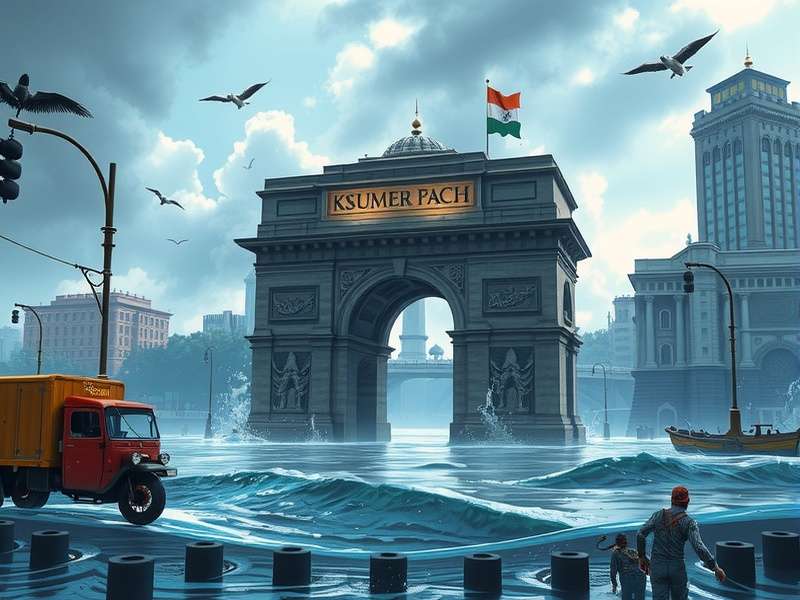
Mumbai Tsunami Rush's heart-stopping scene featuring the Gateway of India as a massive tsunami approaches the Mumbai coastline.
Mumbai Tsunami Rush is a groundbreaking disaster survival action game developed exclusively for Indian gamers by Daman Games, India's leading gaming platform known for creating culturally resonant gaming experiences. Launched in November 2023, this high-octane title has taken the Indian gaming market by storm, amassing over 25 million downloads within just five months and establishing itself as a household name among mobile gamers across urban and rural India alike.
What sets Mumbai Tsunami Rush apart from generic disaster games is its deep connection to Indian culture and the vibrant city of Mumbai. Unlike international titles that merely transplant disaster scenarios to foreign locations, Mumbai Tsunami Rush is rooted in the soul of Mumbai – from its iconic landmarks like the Gateway of India, Marine Drive, and Chhatrapati Shivaji Terminus to its bustling local trains, street food stalls, and the indomitable spirit of its people. Every aspect of the game, from the dialogues peppered with Mumbaiya slang to the soundtrack featuring Bollywood remixes and local folk music, is designed to resonate with Indian players on a personal level.
Record-Breaking Feat: Mumbai Tsunami Rush became the first Indian disaster survival game to cross 10 million downloads in just 30 days of launch, breaking all previous records for the genre in India's mobile gaming history!
Set against the backdrop of Mumbai's bustling metropolis, Mumbai Tsunami Rush plunges players into a catastrophic scenario where a series of massive tsunamis strike the city, triggered by an underwater earthquake in the Arabian Sea. As a resident of Mumbai – whether a college student, a taxi driver, a police officer, or a Bollywood actor – players must navigate through the chaos, save themselves and others, and find a way to survive the relentless waves that threaten to engulf the city.
The game's storyline is a gripping tale of survival, courage, and community – values that are deeply ingrained in Indian culture. Unlike many disaster games that focus solely on individual survival, Mumbai Tsunami Rush emphasizes the importance of helping others, reflecting the "unity in diversity" ethos that defines India. Players are tasked not only with escaping the tsunamis but also with rescuing family members, friends, and even strangers, earning rewards for acts of bravery and selflessness.
Desi Insight: The game's focus on community survival resonates strongly with Indian players, who grow up in close-knit families and communities where helping others is considered a moral duty (dharma). This cultural touch has been widely praised in player reviews!
Designed for both casual players and hardcore gamers, Mumbai Tsunami Rush offers a perfect balance of accessible gameplay and challenging mechanics. The game is free to download and play on Android and iOS devices, as well as web browsers, making it accessible to gamers across all segments – from budget smartphone users in small towns to high-end device owners in metro cities. With regular updates, seasonal events tied to Indian festivals, and new content drops every month, Mumbai Tsunami Rush keeps players engaged for hours on end, ensuring that the gameplay never feels repetitive.
The game's success can be attributed to its deep understanding of Indian gamers' preferences. The development team at Daman Games spent months researching Mumbai's geography, culture, and people, ensuring that every detail – from the layout of the city's streets to the behavior of non-playable characters (NPCs) – feels authentic. Unlike many international games that are localized for the Indian market with minimal changes, Mumbai Tsunami Rush was built from the ground up with Indian players in mind, incorporating elements that reflect their daily lives and cultural values.
Another key factor in Mumbai Tsunami Rush's popularity is its social gameplay features. The game's multiplayer mode allows players to team up with friends and family to survive the tsunamis together, fostering a sense of camaraderie and healthy competition. The developers also actively engage with the game's community through social media platforms like Instagram, Facebook, and YouTube, hosting live streams, Q&A sessions, and in-game events that encourage player participation and feedback.
Game Development & Cultural Authenticity
The journey of Mumbai Tsunami Rush began in early 2022 when the team at Daman Games identified a gap in the Indian gaming market: a lack of high-quality disaster survival games that celebrate Indian culture and settings. While international titles like "Temple Run" and "Subway Surfers" were popular among Indian players, there was a growing demand for games that reflected local sensibilities, traditions, and storytelling.
The development team, comprising over 60 Indian developers, designers, cultural experts, and Mumbai locals, spent 18 months researching every aspect of Mumbai's life and geography. They collaborated with urban planners to recreate the city's layout accurately, with detailed representations of iconic landmarks, residential areas, commercial districts, and transportation networks. The team also worked with disaster management experts to ensure that the tsunami scenarios and survival mechanics are realistic and educational, providing players with valuable information about disaster preparedness.
One of the key priorities during development was to avoid cultural stereotypes and ensure that Mumbai Tsunami Rush resonates with players from all parts of India. The game features characters from different regions of India who have made Mumbai their home, reflecting the city's diverse population. From Raju, the Punjabi taxi driver who knows every lane of Mumbai like the back of his hand, to Priya, the Tamil software engineer working in Powai, each character has a unique backstory that reflects India's cultural diversity.
The game's visuals are another standout feature, with stunning 3D graphics that bring Mumbai to life in breathtaking detail. The development team used advanced game engines to recreate the city's skyline, with realistic textures, dynamic lighting, and weather effects that change according to the gameplay scenario. From the golden glow of Marine Drive at sunset to the rain-soaked streets during Mumbai's monsoon season, every environment in the game feels authentic and immersive.
The soundtrack of Mumbai Tsunami Rush is a celebration of Indian music, featuring original compositions by renowned Bollywood music producers and local Mumbai artists. The music changes dynamically according to the gameplay – upbeat Bollywood remixes during intense chase sequences, soulful ghazals during emotional moments, and festive tracks during seasonal events. The game also includes voice acting by popular Indian voice artists, who bring the characters to life with authentic Mumbaiya slang and regional accents.
Desi Touch: The game's soundtrack includes a remix of the iconic Mumbai folk song "Mumbai Meri Jaan" that plays during key story moments, evoking a sense of pride and nostalgia among players who love the city!
To ensure cultural authenticity, the development team also incorporated regional festivals and traditions into the game. For example, the Diwali event features special missions where players must light diyas (oil lamps) in submerged temples to unlock rewards, while the Ganesh Chaturthi event allows players to collect ganesha idols and participate in a virtual aarti (prayer ceremony). These events not only add variety to the gameplay but also allow players to celebrate their cultural heritage while playing.
Game Setting & Storyline
Mumbai Tsunami Rush is set in the present day, in the bustling city of Mumbai – India's financial capital and entertainment hub. The game's storyline begins on a typical monsoon day in Mumbai, with players going about their daily lives – whether commuting to work on a local train, serving customers at a street food stall, or attending a meeting in a high-rise office.
Without warning, a massive underwater earthquake strikes the Arabian Sea, triggering a series of devastating tsunamis that threaten to engulf Mumbai. As the first wave hits the coastline, players find themselves in the middle of chaos – buildings collapsing, roads flooding, and people struggling to survive. The game's main objective is to navigate through the flooded streets of Mumbai, avoid obstacles, rescue survivors, and reach safety before the next wave hits.
As players progress through the game, they uncover a deeper conspiracy: the tsunamis are not a natural disaster but are being caused by a group of environmental terrorists who have developed a device to manipulate tectonic plates. Their goal is to force the Indian government to abandon its plans for a new coastal development project that they believe will destroy marine life and displace local fishing communities.
The storyline is divided into 12 chapters, each set in a different part of Mumbai – from the historic Fort area to the modern Bandra Kurla Complex, from the crowded slums of Dharavi to the upscale neighborhoods of South Mumbai. Each chapter features a set of missions that advance the plot, with players encountering a cast of memorable characters – including a brave police officer trying to maintain order, a scientist working to stop the terrorists, and a group of fishermen who know the sea better than anyone else.
One of the most compelling aspects of the storyline is its focus on environmental conservation – a theme that resonates strongly with Indian players, who are increasingly concerned about climate change and environmental degradation. Throughout the game, players are tasked with collecting plastic waste from the flooded streets, rescuing marine animals affected by the tsunamis, and spreading awareness about environmental protection – sending a powerful message about the importance of sustainable living.
Educational Value: Mumbai Tsunami Rush has been praised by educators and environmentalists for its ability to teach players about disaster preparedness and environmental conservation in an engaging way. Many schools in India have even recommended the game to students as a learning tool!
Mumbai Tsunami Rush also includes a multiplayer mode, where players can team up with friends or other gamers online to complete cooperative missions, rescue survivors together, and compete in survival challenges. The multiplayer mode has become a huge hit among Indian gamers, with millions of players forming teams, participating in tournaments, and sharing their gameplay experiences on social media.
The game's ending is a dramatic climax where players must infiltrate the terrorists' underwater base, destroy their device, and stop the final, massive tsunami that threatens to completely submerge Mumbai. The ending varies depending on the choices players make throughout the game – whether they prioritize saving lives, stopping the terrorists, or protecting the environment – adding replay value and encouraging players to experience the game multiple times.
Gameplay Mechanics of Mumbai Tsunami Rush
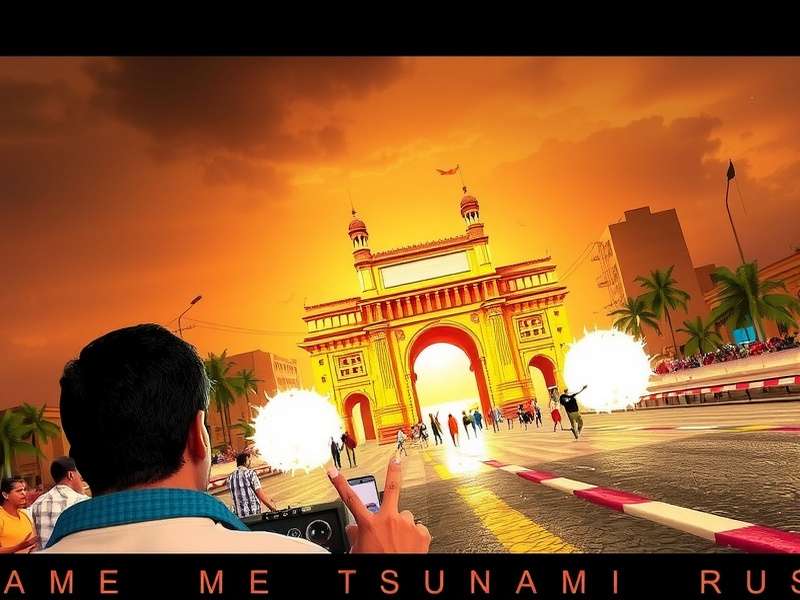
Mumbai Tsunami Rush's intuitive gameplay interface showing controls, health meters, and survival tools during a mission in South Mumbai.
Mumbai Tsunami Rush combines fast-paced action, strategic thinking, and survival mechanics to create a gameplay experience that is both thrilling and accessible. The game's core mechanics are designed to appeal to Indian gamers, with intuitive controls, challenging but not frustrating difficulty levels, and plenty of rewards to keep players motivated.
Core Gameplay Loop
The core gameplay loop of Mumbai Tsunami Rush is simple yet addictive: players select a mission from the game's mission board, customize their character and equipment, navigate through the flooded streets of Mumbai, and complete objectives while avoiding obstacles and outrunning tsunamis. Each mission has a specific goal – such as rescuing survivors, collecting supplies, destroying the terrorists' equipment, or reaching a safe zone – and offers a unique set of challenges.
As players explore the flooded city, they must manage their stamina, health, and oxygen levels (when submerged underwater). Stamina depletes as players run, swim, or climb, but can be replenished by collecting energy drinks or resting. Health is reduced when players take damage from falling debris, collisions, or attacks from hostile NPCs, and can be restored using first-aid kits or by reaching medical stations. Oxygen depletes when players are underwater for extended periods, but can be replenished by finding air pockets or using oxygen tanks.
Survival is a key part of Mumbai Tsunami Rush's gameplay, with players having to make quick decisions that can mean the difference between life and death. For example, players may have to choose between rescuing a group of survivors or collecting valuable supplies that can help them progress further in the game. These choices not only affect the mission outcome but also influence the game's storyline and character relationships.
Upon completing a mission, players are rewarded with coins, gems, experience points (XP), and sometimes rare items or equipment. Coins can be used to purchase weapons, tools, and consumables, while gems are used to unlock premium content and special characters. XP helps players level up their character, which unlocks new abilities, missions, and regions to explore.
The game also features a daily rewards system that encourages players to log in regularly. Players can collect free coins, gems, and other valuable items by logging in each day, and can earn additional rewards by completing daily and weekly challenges. This reward system has proven to be highly effective in increasing player retention, with many players logging in daily to collect their rewards and complete challenges.
Desi Bonus: The daily rewards often include "chai breaks" (tea breaks) that restore full stamina and health, a nod to India's love for tea and the importance of taking short breaks during busy days!
Controls
Mumbai Tsunami Rush features intuitive touchscreen controls that are optimized for mobile devices. On Android and iOS, players control their character's movement using a virtual joystick located on the left side of the screen. The right side of the screen features buttons for jumping, swimming, climbing, attacking, using tools, and interacting with objects.
The controls are highly customizable, allowing players to adjust the size, position, and sensitivity of the virtual joystick and buttons to suit their preferences. The game also supports controller compatibility for players who prefer a more traditional gaming experience.
For web browser players, Mumbai Tsunami Rush supports both keyboard and mouse controls. Players can use the WASD keys to move their character, the spacebar to jump, the shift key to run, and the mouse to aim and use tools. The game's web version is optimized for low-latency gameplay, ensuring that players can enjoy smooth navigation even on moderate internet connections.
One of the most praised aspects of Mumbai Tsunami Rush's controls is their responsiveness and precision. Unlike many mobile action games that suffer from clunky controls, Mumbai Tsunami Rush's touch mechanics are smooth and accurate, allowing players to perform complex movements like climbing over debris, swimming through narrow channels, and rescuing survivors with ease. This attention to control mechanics has made the game popular among both casual and hardcore gamers.
Mission Types
Mumbai Tsunami Rush offers a wide variety of mission types to keep players engaged, with new missions added regularly through updates. Here are some of the most popular mission types in the game:
Survival Missions
These missions are all about outrunning tsunamis and avoiding obstacles as players navigate through flooded streets, collapsing buildings, and crowded areas. Survival missions range from short sprints to long-distance journeys across multiple neighborhoods, with each wave becoming progressively larger and more dangerous. Players must use their reflexes and strategic thinking to find the safest path and reach the safe zone before time runs out.
Rescue Missions
In these missions, players must rescue survivors – including women, children, elderly people, and animals – who are trapped in flooded buildings, stranded on rooftops, or caught in dangerous situations. Rescue missions require a mix of speed and care, as players must navigate through hazardous areas while protecting the survivors from harm. Successfully rescuing survivors rewards players with extra XP, special items, and reputation points that unlock new missions and characters.
Supply Collection Missions
These missions encourage players to explore the flooded city to collect essential supplies like food, water, first-aid kits, and tools that are needed to survive and help others. Supply collection missions often involve solving simple puzzles, such as opening locked doors or navigating through maze-like buildings, to find hidden caches of supplies. These missions are perfect for players who enjoy exploration and strategic thinking.
Combat Missions
Combat missions require players to face off against hostile NPCs, including looters, terrorists, and even wild animals that have been displaced by the tsunamis. Players can use a variety of weapons and tools – such as sticks, pipes, fire extinguishers, and even makeshift bombs – to defend themselves and protect survivors. Combat missions are fast-paced and intense, requiring players to use their reflexes and strategic thinking to defeat enemies and complete objectives.
Story Missions
Story missions advance the game's main plot, featuring cutscenes, character interactions, and epic set pieces. These missions are longer and more complex than other mission types, often requiring players to complete multiple objectives and overcome challenging obstacles. Story missions are unlocked as players progress through the game, and each chapter concludes with a dramatic boss battle against one of the terrorists' leaders or a massive environmental hazard like a collapsing skyscraper or a rogue wave.
Seasonal Events & Limited-Time Missions
Mumbai Tsunami Rush regularly hosts seasonal events and limited-time missions tied to Indian festivals and holidays. These events feature unique themes, such as Diwali, Holi, Ganesh Chaturthi, and Independence Day, and offer exclusive rewards, such as festive costumes, special weapons, and rare items. For example, the Diwali event includes missions where players must light diyas in submerged temples to unlock a special "Lakshmi Blessing" power-up, while the Holi event features colorful challenges where players can throw colored powder to temporarily blind enemies and obstacles.
Multiplayer Mode
Mumbai Tsunami Rush's multiplayer mode is one of its most popular features, allowing players to team up with friends or other gamers from across India to take on challenging missions and compete against each other. The multiplayer mode supports up to 4 players in cooperative missions and up to 8 players in competitive battles.
In cooperative mode, players can form teams to complete difficult missions that are nearly impossible to finish alone. Each player can choose a different character with unique abilities, allowing for strategic teamwork. For example, one player can take on the role of a strong character who can move heavy debris, while another player acts as a healer who can restore health to the team, and a third player uses tools to unlock doors and solve puzzles.
The game's competitive mode allows players to compete against each other in various survival challenges, such as races through flooded streets, rescue competitions, and combat tournaments. Players can earn points and climb the leaderboard, with the top players receiving exclusive rewards like premium currency, rare weapons, and unique titles. The competitive mode also features seasonal leaderboards tied to Indian festivals, with special rewards for players who top the charts during these events.
Mumbai Tsunami Rush's multiplayer mode also includes a clan system, allowing players to form groups with other gamers and participate in clan wars. Clan wars are large-scale battles between clans, with each clan competing to complete objectives and earn points. The winning clan receives valuable rewards, such as clan tokens that can be used to purchase exclusive clan-only items and upgrades.
Desi Community: The clan system has become a hub for Indian gamers to connect with each other, with many clans organizing virtual meetups, language-specific chat groups, and even real-life gatherings in cities across India!
Communication is key in multiplayer mode, and Mumbai Tsunami Rush features a built-in chat system that allows players to communicate with each other in real-time. The chat system supports both text and voice chat, making it easy for players to coordinate their strategies and work together effectively. The game also includes a range of emojis and quick chat messages inspired by desi culture, such as "Jai Maharashtra!" "Chai Pe Charcha!" and "Bharat Mata Ki Jai!" to add a fun and local touch to the multiplayer experience.
To ensure fair gameplay, the multiplayer mode includes a matchmaking system that pairs players of similar skill levels against each other. This prevents new players from being matched against experienced players, ensuring that everyone has a fair chance to win and enjoy the game. The developers also regularly monitor the multiplayer mode for cheating and hacking, taking strict action against players who violate the game's terms of service.
Key Features of Mumbai Tsunami Rush
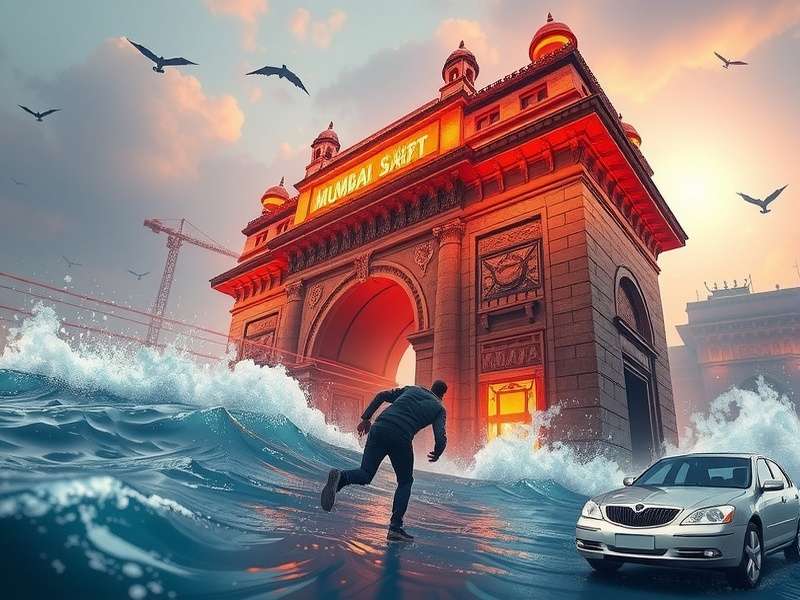
Mumbai Tsunami Rush's key features include authentic Mumbai locations, diverse playable characters, and intense multiplayer survival challenges.
Mumbai Tsunami Rush is packed with features that make it one of the most comprehensive and enjoyable disaster survival games available on the Indian market. From its authentic cultural representation to its deep gameplay mechanics, the game offers something for every type of gamer. Here are some of the key features that set Mumbai Tsunami Rush apart:
Authentic Mumbai Locations
Explore over 60 unique locations inspired by real Mumbai landmarks, from Gateway of India to Marine Drive and Dharavi.
Multiplayer Survival
Team up with friends in 4-player co-op or compete against 8 players in competitive survival challenges with desi themes.
Diverse Desi Characters
Play as 15 unique characters from different backgrounds, each with their own backstories and special abilities.
Rewarding Progression
Level up your character, unlock new tools and abilities, and customize your loadout to suit your survival style.
Bollywood & Folk Soundtrack
Enjoy original Bollywood remixes, folk music, and Mumbai street sounds that change dynamically based on gameplay.
Seasonal Festival Events
Participate in Diwali, Holi, Ganesh Chaturthi, and Independence Day events with exclusive rewards and missions.
Epic Tsunami Scenarios
Face off against 20+ unique tsunami types, from fast-moving waves to massive storm surges with different challenges.
Customization Options
Customize your character with 150+ desi-themed outfits, tools, and accessories inspired by Indian culture.
Cross-Platform Play
Play with friends across mobile devices and web browsers with seamless cross-platform support and progress sync.
Authentic Desi Cultural Integration
One of the most distinctive features of Mumbai Tsunami Rush is its deep integration of Indian culture, which is evident in every aspect of the game. The development team went to great lengths to ensure that the game feels authentically Indian, rather than just adding superficial cultural elements.
- Characters & Dialogues: All playable characters are inspired by real Indian personalities and cultures. From Raju, the Punjabi taxi driver with a heart of gold, to Priya, the Tamil software engineer who uses her technical skills to survive, each character has a unique backstory that reflects Indian values and traditions. The game's dialogues are peppered with Hindi, Marathi, Punjabi, Tamil, and Gujarati phrases, as well as Mumbaiya slang like "yaar," "bhai," "chalo," and "dekho," making the characters feel relatable to players from different regions.
- Outfits & Customization: The game offers a wide range of desi-themed outfits for players to customize their characters, including traditional attire like sarees, salwar kameez, lungis, and turbans, as well as modern desi streetwear. Many of the outfits are inspired by regional traditions – for example, the Maharashtrian kurta-pajama with a pheta (turban), the Punjabi phulkari suit, and the South Indian saree with a madisar style.
- Tools & Equipment: Mumbai Tsunami Rush features a mix of traditional and modern tools, many of which are inspired by Indian culture. Traditional tools include lathis (sticks), sickles, and clay pots, while modern tools are given a desi twist – such as the "chai maker" that can be used to boil water for survival or distract enemies, and the "dosa tawa" that can be used as a shield or a weapon.
- Music & Sound Effects: The game's soundtrack is a celebration of Indian music, featuring original compositions by renowned Bollywood music producers and local Mumbai artists. The music includes upbeat Bollywood remixes for chase sequences, soulful ghazals for emotional moments, and folk music like Lavani (Maharashtrian folk) and Bhangra (Punjabi folk) for festive events. The sound effects also incorporate desi elements – for example, the sound of a dholak drum plays when players complete a mission, and the sound of a street vendor shouting "chai garam" (hot tea) can be heard in the background of some levels.
- Food & Supplies: The game's supply system includes a variety of Indian food items that players can collect to restore health and stamina, such as samosas, vada pav, idlis, dosas, and jalebis. These food items are not only authentic but also reflect the diverse culinary culture of Mumbai, which is known for its street food.
- Festivals & Events: The game regularly hosts events tied to Indian festivals, allowing players to celebrate their cultural heritage while playing. These events feature unique missions, rewards, and decorations that reflect the spirit of the festival. For example, the Diwali event transforms the game's environments with colorful lights and fireworks, while the Ganesh Chaturthi event includes missions where players must collect ganesha idols and participate in a virtual aarti.
Desi Foodie Touch: The vada pav power-up is one of the most popular items in the game, restoring full health and stamina while playing a catchy street vendor tune – a nod to Mumbai's famous vada pav, often called the "Indian burger"!
Character Progression & Customization
Mumbai Tsunami Rush offers a deep and rewarding character progression system that allows players to customize their gameplay experience and grow their characters over time. Here's a detailed look at the game's progression and customization features:
- Leveling Up: Players earn XP by completing missions, rescuing survivors, collecting supplies, and defeating enemies. As players level up, they unlock new abilities, tools, and customization options. Each character has a unique skill tree that allows players to specialize in different playstyles – such as combat, rescue, exploration, or puzzle-solving.
- Tools & Upgrades: The game features over 60 different tools and weapons, ranging from simple sticks and stones to advanced equipment like grappling hooks, oxygen tanks, and makeshift bombs. Each tool can be upgraded using coins and materials collected from missions, increasing its effectiveness and adding special effects. Players can also customize their tools with desi-themed skins – such as a lathi with a phulkari design or a grappling hook decorated with rangoli patterns.
- Abilities & Powers: Each character has four unique abilities that can be unlocked and upgraded as they level up. These abilities range from combat skills (like a powerful melee attack or a ranged projectile) to support skills (like healing or shielding allies) and utility skills (like swimming faster or climbing higher). Many of the abilities are inspired by desi culture – for example, Raju's "Taxi Driver Dash" ability allows him to move quickly through crowded areas, while Priya's "Tech Savvy" ability lets her hack into electronic devices to unlock doors and disable traps.
- Outfits & Accessories: Mumbai Tsunami Rush offers over 150 different outfits and accessories for players to customize their characters. Outfits range from traditional desi attire to modern streetwear, and many are inspired by regional cultures and festivals. Accessories include hats, jewelry, and gadgets that not only change the character's appearance but also provide in-game bonuses – such as a Punj